

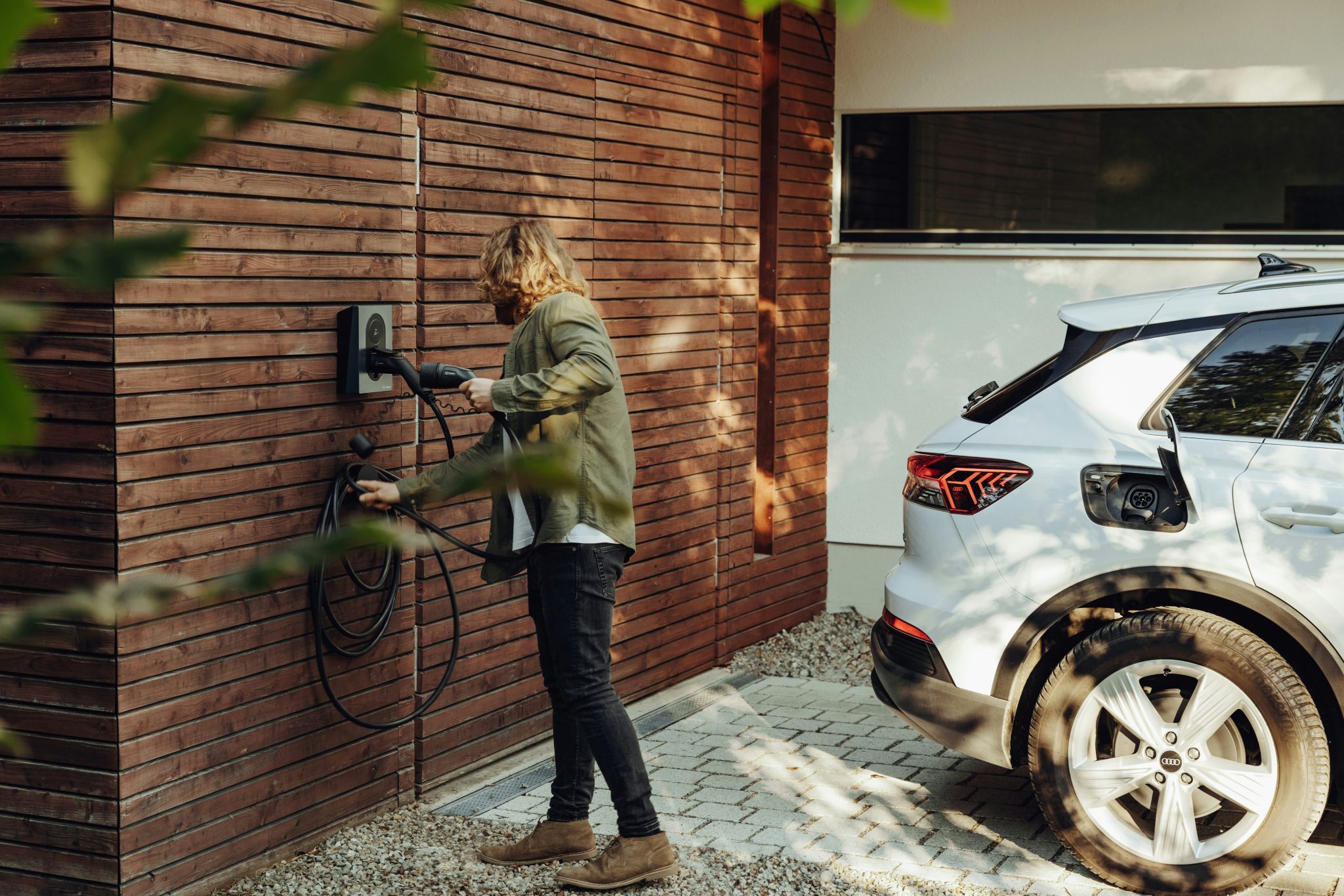
If you live in Houston, you’ve probably watched the lights flicker during a summer storm and wondered how long the power would stay out this time. A bidirectional EV charger can flip that worry on its head, since it lets your electric vehicle send energy back into your home when the grid goes down.
It’s one of the more interesting innovations in residential electrical energy supply, and it’s a useful option for homeowners who already have an EV charger or are considering installing one. In this blog, we’ll outline how a bidirectional EV charger works and why now is a great time to have one put in by an experienced, licensed electrician.
Bidirectional EV Chargers at a Glance
- A bidirectional EV charger moves power in both directions, so your car can charge or discharge as needed.
- Vehicle-to-home energy can keep essential appliances running during a Houston power outage.
- V2G technology also lets electric vehicles send power back to the grid during peak demand periods.
- Smart charging features help you schedule charging around lower utility rates and solar production.
- The energy savings EV owners gain come from combining battery storage, time-of-use rates, and backup power into one system.
What Makes a Bidirectional EV Charger Different?
A standard home EV charger pushes electricity in one direction, sending it from your electrical panel into the car battery. A bidirectional EV charger does that too, but it can also pull electricity out of the battery and send it where you need it. In other words, your car becomes a backup battery for the house, or during periods of high demand, a small power source for the grid.
To do this, the system uses an inverter to convert the DC power from the EV battery into AC power for your home. Depending on the charger and vehicle, that conversion may happen in the charging equipment, the vehicle, or related home backup hardware.
Many older chargers don’t have this hardware, but newer units do, and they’re appearing in residential electrical installations across Texas as more EV models support the feature.
How Does Vehicle-to-Home Energy Help During an Outage?
When a storm knocks out power in a Houston neighborhood, a fully charged EV with vehicle-to-home energy capability can keep the essentials running for a day or two. For example, a Ford F-150 Lightning has enough battery capacity to power a typical home for about 3 days if you’re careful about which appliances stay on.
What you can run depends on the charger size and your home’s setup, but most homeowners aim to power their:
- Refrigerator and freezer
- Lights and phone chargers
- Internet router and modem
- Medical equipment, if anyone in the house depends on it
- A window AC unit or fans during the summer heat
You should also bear in mind that a licensed electrician installs the transfer equipment that enables this switch. Without that piece in place, the car can’t safely back-feed the home.
What Does V2G Technology Mean for Your Utility Bill?
V2G technology takes the concept a step further and well beyond home electricity backup. Instead of only powering your home, V2G technology allows your EV to send stored energy back to the grid during periods of high demand. The Texas grid begins to experience capacity issues during the summer, and programs that reward homeowners for sending power back are slowly expanding.
A few utilities have begun piloting V2G enrollment, and the U.S. Department of Energy has been funding research to support broader adoption. However, direct residential V2G payments remain limited. In Texas, programs such as Ford and TXU Energy’s Free EV Miles plan focus more on off-peak charging credits than direct V2G payments, but they’re still a step forward for EV-related utility incentives.
What Are the Charging Features That Add Up For The Better?
There are some additional features to look forward to with a bidirectional EV charger. For instance, most modern bidirectional units come with built-in smart charging. During smart charging, the software inside your bidirectional EV charger communicates with your utility provider, tracks rates, and schedules charging when electricity is cheapest. You set the priorities through an app, and the system handles the scheduling for you.
Here are some of the smart features that are usually included:
- Time-of-use scheduling that charges your car overnight when rates drop
- Solar integration that stores excess panel production in the car battery
- Outage detection that automatically switches to home backup mode
- Energy monitoring through an app, so you can see usage patterns
- Load balancing that prevents tripping breakers when other large appliances are in use
All of these features add up to real energy savings EV owners notice on their monthly bills. A Houston household paying peak AC rates during summer afternoons can shift a meaningful chunk of its usage to off-peak hours by drawing power from its car battery instead.
What Should You Think About Before Installing One?
There are always a few things to consider before you get too far into planning bidirectional EV energy-saving projects. A bidirectional setup is a larger project than a standard Level 2 installation, and your home needs the right electrical capacity, the right vehicle, and the right transfer hardware to operate safely.
Here’s what a licensed electrician will look at during a site visit and before installation:
- Panel capacity and whether an electrical panel upgrade is needed
- Compatibility between the charger and your specific EV model
- Placement of the unit relative to where you park
- Permits and inspections required by your local jurisdiction
- Whether a critical-loads panel or a transfer switch makes sense for backup use
Many Houston homes built before the early 2000s have 100-amp or 150-amp panels, so they often need an upgrade to 200 amps for full bidirectional capability. National safety standards from the National Fire Protection Association also apply, and a proper inspection will be required to confirm that your installation meets code.
FAQs About Bidirectional EV Chargers
Can any electric vehicle work with a bidirectional EV charger?
Not every EV currently supports bidirectional charging, so compatibility is one of the first things homeowners need to verify before installation. Some newer models, like the Ford F-150 Lightning and select Nissan vehicles, already support vehicle-to-home or vehicle-to-grid functions. The charger itself also has to be designed for bidirectional energy flow, which means older Level 2 chargers usually will not work. A licensed electrician can help confirm whether your specific vehicle and charger combination supports bidirectional capability.
How long can a bidirectional EV charger power my home during an outage?
The amount of backup time depends on your EV’s battery size and how much electricity your household uses during the outage. Many homeowners use the system to keep essential appliances running, including refrigerators, lights, internet equipment, and medical devices. Larger EV batteries can often provide backup power for one to three days when energy use is carefully managed. Houston homeowners especially benefit from this added resilience during hurricanes, severe storms, and grid-related outages.
Will installing a bidirectional EV charger lower my electric bill?
A bidirectional charging setup can help reduce electricity costs by allowing homeowners to charge during off-peak utility hours and use stored battery power during higher-rate periods. Many systems include smart charging software that automatically schedules charging around lower-cost periods. Some chargers can also integrate with solar panels to store excess solar energy in the vehicle’s battery. Over time, these energy management features can create noticeable savings, particularly during high-demand summer months in Texas.
Why a Bidirectional EV Charger Is a Smart Investment
It’s natural for Houston homeowners to ask why bidirectional EV chargers matter for everyday energy use. The short answer is that bidirectional charging is an upgrade that provides tremendous peace of mind. This is especially true in a city that experiences hurricanes, ice storms, and grid strain, where power outages occur more often than in other parts of the country.
With a properly installed bidirectional system, you can turn your vehicle into a backup battery, a potential money-saving tool, and protection against future outages.
Ready to Install a Bidirectional EV Charger? Contact Colwell Electric
If you’re already shopping for an EV or thinking about your next charger upgrade, the team at Colwell Electric can walk you through what your home needs. Our licensed electricians have handled residential EV charger installation, electrical panel work, and more across Houston for more than 30 years.
If you’d like to know whether your home can support a bidirectional setup, give us a call at (713) 849-4427 or contact us online to schedule a site visit.