

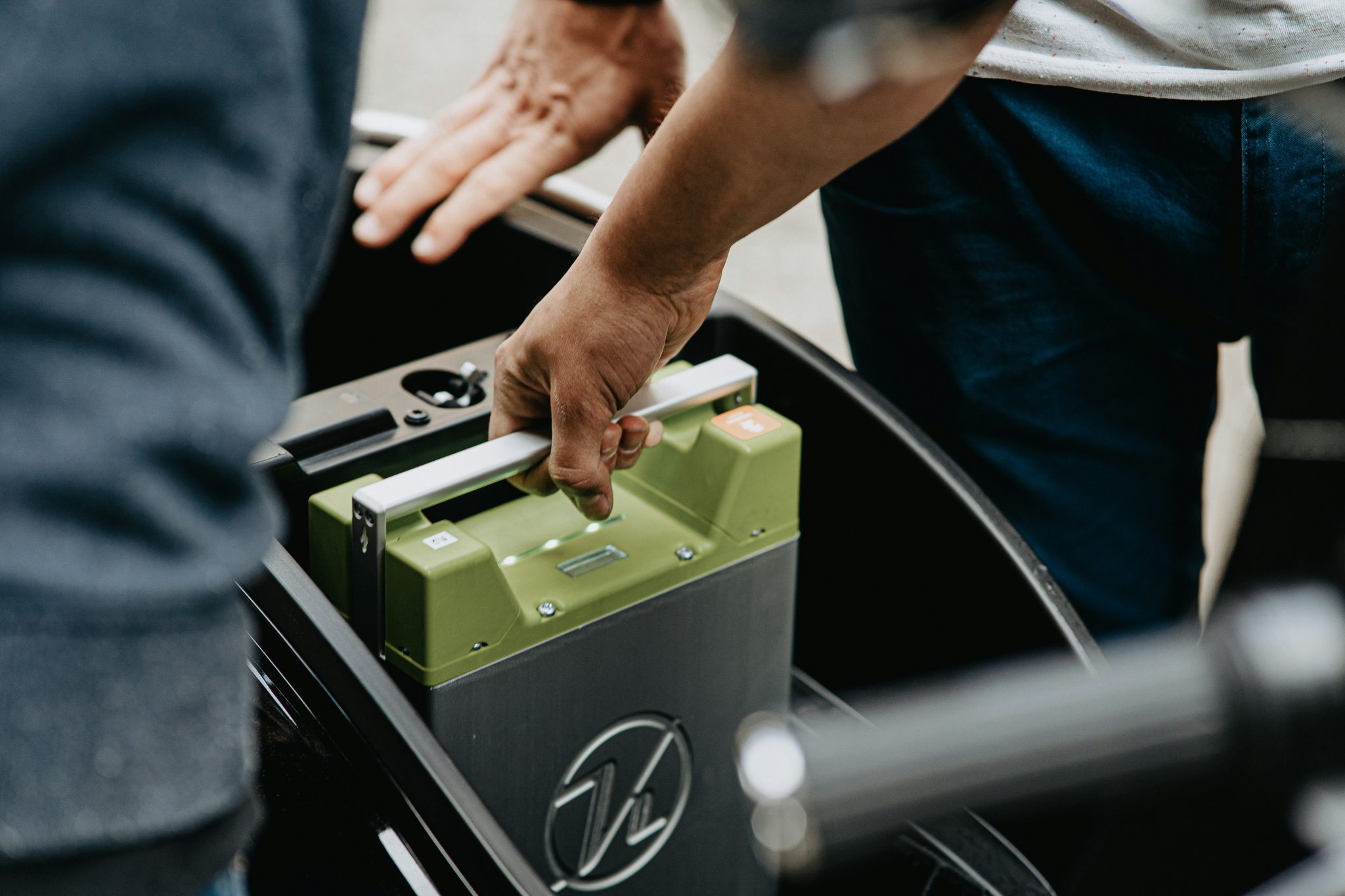
If your power cuts out during a particularly bad Houston storm, a home battery storage system keeps your refrigerator, lights, and other essential equipment running while the rest of the block waits for the grid to come back online.
These systems store electricity from solar panels or the utility grid and release it automatically when the power goes out. This article covers how they work, what the installation involves, and how to determine whether adding battery backup makes sense for your home.
Battery Storage Systems at a Glance
- Home battery storage captures electricity from solar panels or the grid and releases it during outages or peak rate hours.
- A solar battery backup pairs with existing or new solar panels to reduce your dependence on utility power.
- Most backup power storage installations require a licensed electrician to connect the system safely to your panel.
- Energy storage solutions range from whole-home systems to setups that cover only your most critical circuits.
- A battery-powered home backup system can lower your electricity bills and protect against outages without the noise and fuel cost of a gas generator.
How Does Home Battery Storage Actually Work?
The basic concept of a home battery backup system is that your battery charges during the day from either solar panels or the grid during off-peak hours, then discharges when you need the power. Most modern systems include an inverter that converts DC power from the battery into AC power for your home’s outlets, appliances, and lights.
Home battery storage differs significantly from a traditional generator in terms of response time and convenience. A generator needs to be started manually or via an automatic transfer switch, runs on fuel, and makes noise; a battery system kicks in within milliseconds of an outage, with no fumes, no startup sequence, and no trip to the gas station during a storm.
Whole-Home Coverage Versus Essential Circuits
When deciding between whole-home coverage and essential circuit coverage, it helps to think through your priorities before choosing. The choice you make will always depend on your usage, your goals, and your budget.
For some homeowners, a partial setup is best. This could cover the critical loads, including the refrigerator, lights, Wi-Fi, phone charging, and an AC unit. On the other hand, some homeowners might want the entire home wired for electricity, which requires a larger battery bank and, in some cases, a panel upgrade.
A licensed electrician can run a load calculation to determine what your essential and non-essential circuits draw, then match that to the appropriate battery capacity before any equipment is ordered. Once you understand what you’re working with in terms of battery capacity, the next question is whether solar belongs in the picture.
What Does a Solar Battery Backup Add for You?
Many people don’t realize how convenient solar battery backup really is until they have it installed. A solar battery backup system takes the basic concept of storing power in batteries further by pairing stored energy with active solar generation. This means that during the day, your panels charge the battery, and at night or during an outage, you draw from what you’ve stored instead of paying the utility rate for power.
The combination of solar power and a battery backup system works particularly well in Houston, where summer sun is consistent but storm season is not. You’re generating during the day, storing the excess, and using it when you need it most. That said, adding batteries to solar isn’t always plug-and-play, so it’s worth understanding what the integration involves by speaking with a professional.
Adding Batteries to an Existing Solar System
If you’re a homeowner with solar panels already installed, adding battery backup is often easier than installing them for the first time. The main question is whether your existing inverter is battery-compatible; some older string inverters are not, and you may need a hybrid inverter as part of the upgrade.
Net Metering
If you are currently selling excess solar power back to the grid through net metering, adding a battery can change the equation. Instead of automatically exporting excess solar production as soon as your home has used what it needs, the system can store some of that power first and export the remainder once the battery is full.
Whether that saves you money depends on how much your utility pays for exported solar power and when your household uses the most electricity.
What Should Be Checked Before Installing an Energy Storage Solution?
Keep in mind that many energy storage solutions connect directly to your electrical system, so your panel must be in good condition to support them. An older panel, one that’s already running close to its capacity limit, or one with outdated breakers, can create real problems during installation, so the panel assessment happens before anything else.
Before any battery system goes in, a thorough electrician checks:
- Available panel capacity and whether a subpanel or full upgrade is needed
- The condition of your existing wiring and grounding
- Inverter compatibility with the battery you’ve chosen
- Permit requirements in your jurisdiction, since Houston and the surrounding counties each have their own processes
- The right mounting location for the battery unit, which is typically indoors or in a shaded, ventilated exterior space
Is a Battery Storage System Right for Your Home?
Before you can even look into installation, the bigger question is whether this investment makes sense for your situation.
A battery storage system makes the most sense when at least one of the following applies:
- You already have solar panels, or you’re planning to add them
- Your neighborhood sees frequent outages, especially during hurricane season
- You’re on a time-of-use rate plan and want to avoid peak-hour charges
- You have medical equipment or other loads that genuinely can’t tolerate an interruption
- You’re doing a major renovation or building new, and want to set up the electrical system for the long run
If your main goal is occasional backup during a storm, a standby generator can cover that at a lower upfront cost.
What Does the Battery Installation Process Look Like?
Most residential battery installations take one to two days, depending on the complexity. If permits are required before installing, which is the case in most Houston-area municipalities, the electrician handles the application. You don’t want to skip this step, because unpermitted electrical work can void your homeowner’s insurance and create title issues when you eventually sell the property.
Once the permit is granted, the electrician mounts the battery, connects it to your panel or subpanel, wires in the inverter if it’s within scope, and programs the system to your discharge and charge preferences. Afterward, the electrician will schedule the final inspection to confirm the installation meets local code requirements.
What Will Battery Storage Not Do For You?
A battery also does not mean every appliance in your home can keep running as normal during an outage. Large loads like central air, an electric range, or a water heater can drain stored power quickly, especially if they are running at the same time. That’s why backup power storage works best when it is planned around the parts of your home you care about most.
FAQs About Home Battery Storage
How long can a home battery storage system power a house during an outage?
The backup duration depends on the size of the battery system and how much electricity your household uses during the outage. Many homeowners choose to power only essential circuits, such as refrigerators, lights, internet equipment, and medical devices, to extend battery life. Larger whole-home systems can provide longer backup coverage but typically require additional battery capacity and a higher upfront investment. A licensed electrician can help calculate your home’s energy usage and recommend the right system size for your needs.
Can I add battery storage to an existing solar panel system?
In many cases, homeowners can add battery storage to an existing solar setup. The biggest factor is whether your current inverter supports battery integration, as some older solar systems may require a hybrid inverter upgrade. Adding batteries lets you store excess solar energy rather than sending it back to the grid immediately. This can improve energy independence and give you backup power during outages, especially during Houston’s hurricane season.
Is a home battery backup better than a generator?
Battery storage systems and generators serve similar purposes, but they operate very differently. A battery backup system activates almost instantly during a power outage and runs quietly without fuel, fumes, or engine maintenance. Generators, on the other hand, require fuel and may need manual startup or regular servicing. For homeowners who want cleaner, quieter backup power with added energy-saving benefits, battery storage can be an attractive alternative.
The Bottom Line on Home Battery Storage
Energy storage solutions, especially surrounding battery storage systems, have improved significantly over the past few years. The real question is whether a battery would solve the power problems you actually deal with at home.
If you’re in a Houston home with solar panels, own an aging generator that’s seen better days, or a utility rate structure that penalizes peak-hour usage, it’s worth considering whether a battery system is a smart move.
Contact Colwell Electric for Battery Storage System Installation
We want you to take control of your home’s power before you’re left in the dark. Colwell Electric works with Houston homeowners on installations, panel assessments, and solar integration.
Give us a call at (713) 849-4427 or contact us today through the website to schedule a consultation and get a straight answer about what your home needs.