

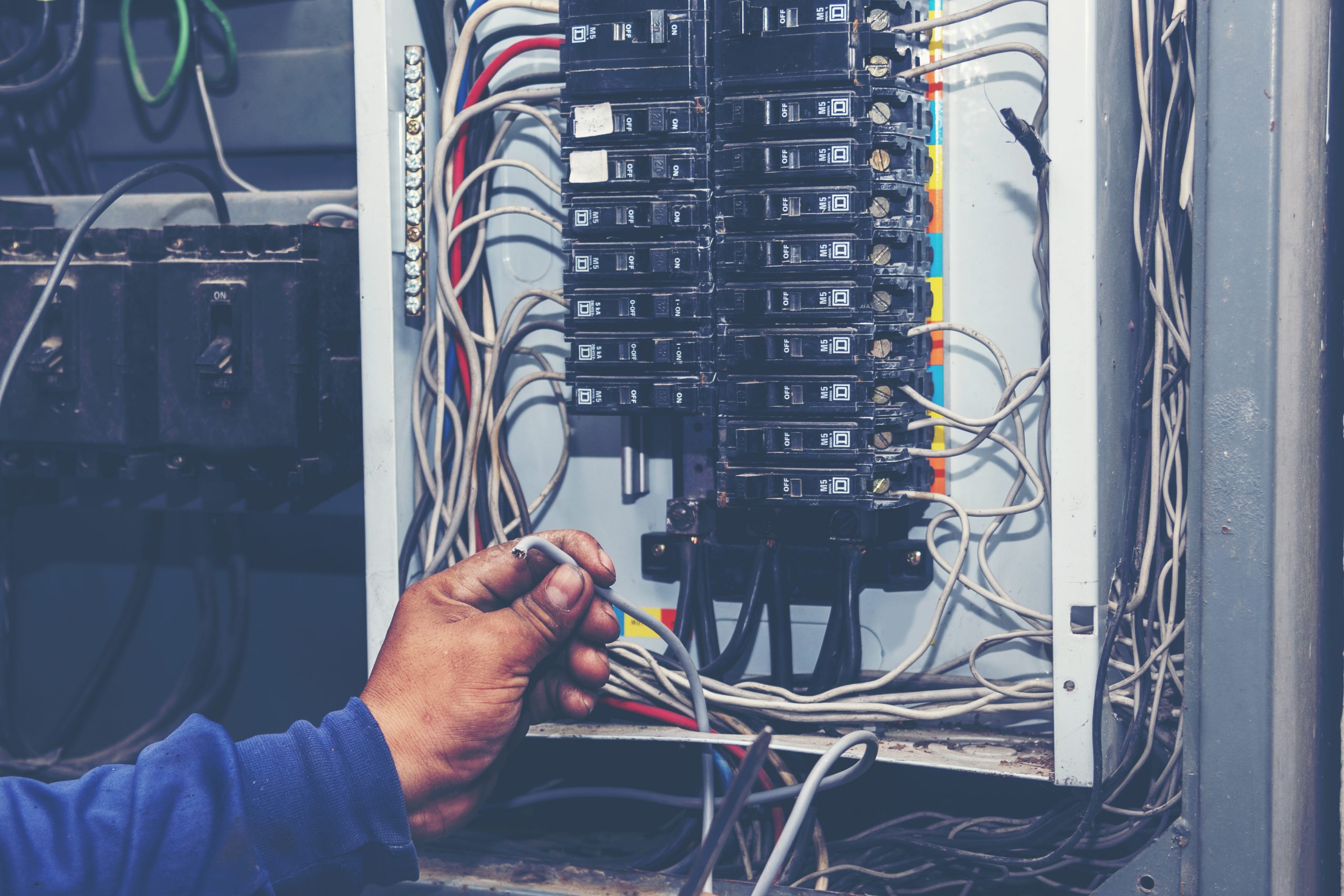
Your home’s electrical panel is one of those things you probably don’t think about until something goes wrong. Maybe the lights flicker when you run the microwave, or your breakers trip more often than they used to. These could be signs that your electrical panel is struggling to keep up with the demands of modern living.
As we add more appliances, chargers, and smart devices to our homes, the strain on our breaker panels increases. An outdated or undersized panel can become a safety hazard if it can’t support a safe electrical load. That’s why it’s important to know when it might be time for an electrical panel upgrade.
In this guide, we’ll walk you through the top warning signs, explain what “panel capacity” really means, and help you decide if a breaker panel replacement is the right move for your home’s safety and reliability.
Understanding Safe Electrical Load & Panel Capacity
Your home’s safe electrical load refers to how much power your electrical panel can handle without overheating, tripping breakers, or creating fire hazards. Every panel has a maximum capacity, measured in amperes (amps), and if your home exceeds it, problems can follow.
Older panels rated for 60–100 amps may have worked decades ago, but modern homes often require 200 amps or more to safely power HVAC systems, EV chargers, and other high-demand appliances. If your panel isn’t sized for modern electrical requirements, it may be struggling behind the scenes without obvious warning signs.
What Happens When Your Panel Can’t Keep Up
Sometimes an overloaded panel causes flickering lights or weak appliance performance. Other times, the first clue is more serious, like burned wires or heat damage.
That’s why it’s so important to understand your panel’s capacity and whether it can safely support your household’s electrical demands. A licensed electrician can perform a load calculation to determine if your current setup is still up to the task.
If it’s not, your panel may already be showing signs of trouble. Here’s what to watch for.
7 Signs You May Need an Electrical Panel Upgrade
If your panel isn’t keeping up, it usually won’t fail all at once; it will start showing subtle signs that something isn’t right. These early warning signals often point to deeper capacity or safety issues that shouldn’t be ignored.
Below are seven clear signs that it may be time to consider a professional upgrade.
Your Breakers Trip Frequently
Repeated trips often point to an overloaded circuit, outdated wiring, or a faulty breaker, any of which can compromise safety and performance. Homeowners should never “reset and forget” these warning signals.
To underscore the risk, consider this: electrical distribution systems, like circuit breakers,. are responsible for nearly 50% of all home structure fires caused by electrical failures. If you’re seeing frequent trips, it’s time for a closer look.
H3: Lights Flicker or Dim When Appliances Run
If your lights flicker or dim whenever you turn on the microwave, HVAC system, or other high-draw appliances, it’s a strong sign your panel may be underpowered. This happens when the system can’t maintain a stable voltage while trying to supply power to multiple demanding circuits simultaneously.
Flickering isn’t just annoying; it’s a sign your electrical system might be overextended or imbalanced. Sudden dips in voltage (known as voltage sags) are often tied to insufficient electrical infrastructure or overloaded circuits.
If this happens consistently, especially with newer appliances, it’s time to have your panel inspected. It may not be designed to handle your home’s current power demands.
The Panel Feels Warm or Has a Burnt Smell
If your electrical panel feels unusually warm to the touch, or, even more alarming, emits a burning or melting smell, that’s a serious warning sign that something inside is overheating or failing.
Two common causes behind this are:
- Loose or high-resistance connections, which generate heat due to electrical resistance; in extreme cases, these connections can reach temperatures exceeding 1,000°C and lead to component damage or ignition.
- Outdated or undersized panels that aren’t equipped to handle modern electrical loads, resulting in excessive thermal strain.
These symptoms are never something to ignore. If you notice warmth or a burnt odor coming from your breaker panel, schedule an inspection with a qualified electrician immediately before minor issues escalate into major risks.
You Still Have a Fuse Box or an Outdated Panel
Still using a fuse box? That’s a strong indicator your system is behind the times. Fuse boxes, common before the 1960s, typically max out at around 60 amps and aren’t designed to support today’s electrical demands. They also lack modern safety features like resettable breakers and arc-fault protection.
Even early breaker panels can be outdated if they no longer meet code or show signs of wear. According to The Spruce, upgrading to a modern panel improves safety, supports high-demand appliances, and prepares your home for future electrical needs.
If your panel looks decades old, it probably is, and it may be time to replace it.
Your Appliances Don’t Run at Full Power
If your appliances seem slower, like a fridge that won’t stay cold or a washing machine that spins weakly, it might not be the appliance itself. Low voltage or insufficient power delivery from your panel can cause appliances to underperform or malfunction.
As we mentioned earlier, voltage sags, which can stem from overloaded circuits or outdated panels, directly affect appliance performance and efficiency.
When your home’s electrical system can’t consistently deliver the power that appliances require, internal components like motors have to work harder. That extra strain can reduce performance, shorten lifespan, and even lead to breakdowns.
If you notice sluggish or inconsistent operation, that’s a strong hint that your panel might not be keeping up, and it’s one more reason to consider having it evaluated.
You’re Adding High-Demand Equipment
Thinking of installing a Level 2 EV charger, hot tub, solar system, or other high-power appliance? These upgrades often require 40–60 amps or more, and if your panel is already stretched thin, you could be pushing it over capacity.
Modern homes should avoid exceeding 80% of system capacity, especially during peak demand. A dedicated EV circuit or any similar high-load addition could tip your panel into dangerously overloaded territory.
Before adding new heavy-duty equipment, having a licensed electrician perform a load calculation is vital. That checks to see if your panel can handle the increased demand safely, or if it might be time to upgrade to a 200‑amp panel or more for ongoing reliability and future-ready performance.
The Panel Has No Room for Additional Circuits
When it’s time to add new circuits, but your panel has no free slots left, that’s a clear sign it’s maxed out. Even if your home still seems to function, trying to squeeze in more circuits can compromise safety and violate code.
According to an educational guide on home electrification and panel upgrades, an electrical panel’s capacity is also about physical breaker space. When all slots are filled, it’s a real roadblock to adding necessary upgrades.
What to Do if You Run Out of Circuit Slots
In these cases, homeowners often have two safer options:
- Install a sub‑panel under the main panel to create additional space, an effective workaround when physical slots are limited.
- Replace the entire panel with one that supports more circuits and higher capacity, a forward-looking upgrade that accommodates both today’s needs and tomorrow’s.
If your panel looks jammed with no empty breaker slots, or if it’s been using tandem breakers to squeeze in more circuits, it’s a telltale sign it’s time to consult an electrician about expanding your capacity safely and code-appropriately.
When to Call a Licensed Electrician
If you’ve noticed any of the warning signs above, or even if you’re unsure about your panel’s age or capacity, it’s worth having a licensed electrician take a look. Properly functioning electrical panels are the key to long-term safety, efficiency, and reliability.
Don’t Wait Until It’s Too Late: Call Colwell
At Colwell Electric, we help homeowners assess their current systems, plan for future demand, and upgrade panels correctly. Don’t wait for a minor issue to become a major one. Schedule a panel inspection with our team today and get peace of mind that your home is powered safely and securely.