

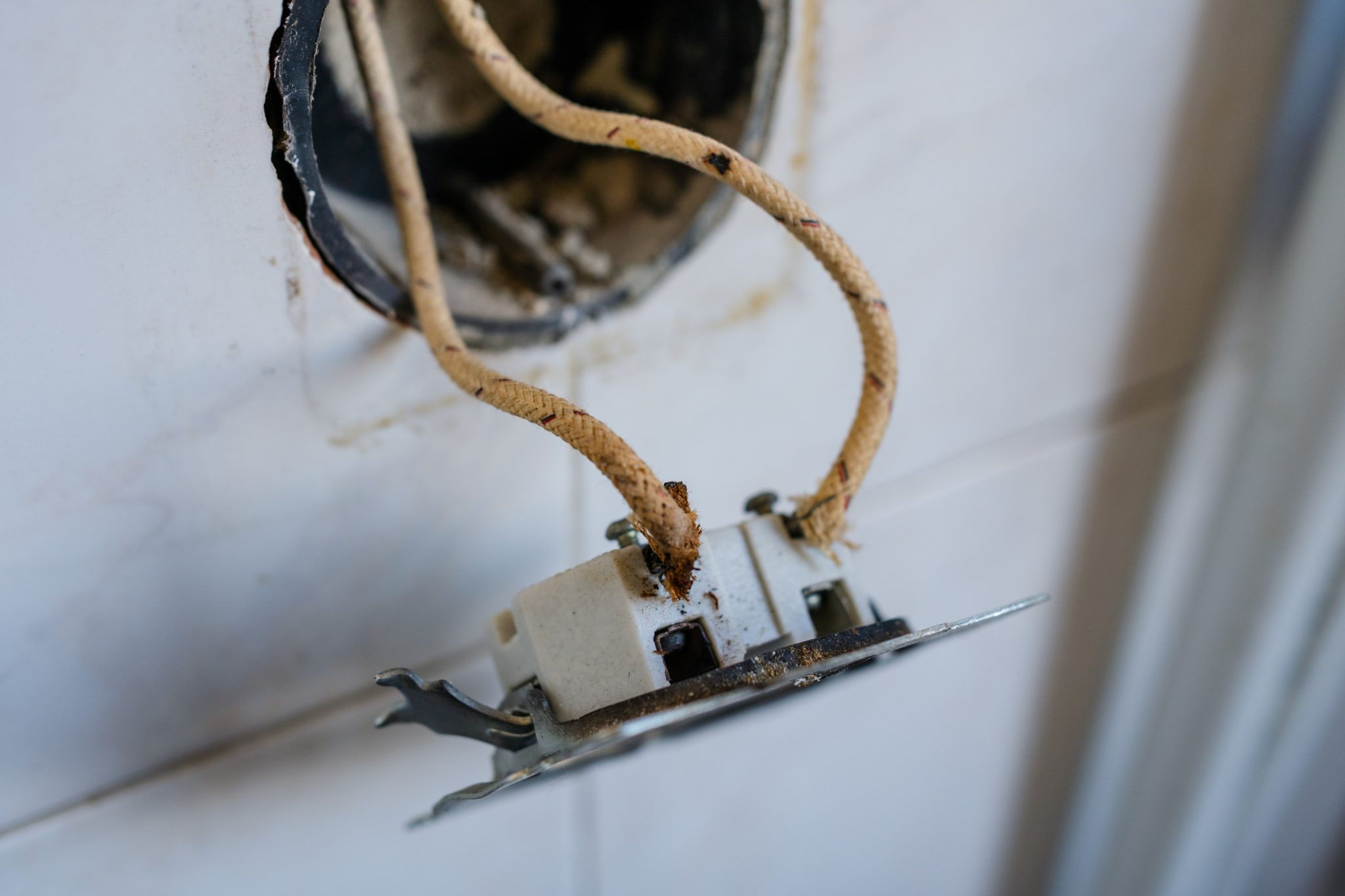
If your Houston home was built before the 1980s, its wiring may be older than you think. The best way to protect it is a simple older home electrical safety checklist, followed by a licensed electrical inspection that confirms what is really behind your walls. Many outdated systems work fine for years while hiding loose connections, worn insulation, or panels that cannot handle modern demand. Here, we cover the wiring types, warning signs, and checks that matter most in Houston’s older neighborhoods.
Key Takeaways About Older Home Electrical Safety
- Homes built before about 1950 may have knob and tube wiring, and homes from 1965 to 1973 may have aluminum branch wiring.
- Two-prong outlets, flickering lights, and warm cover plates are common signs of outdated wiring.
- Fuse boxes, small service panels, and certain older panel brands deserve a closer look.
- A licensed electrical inspection finds problems that a visual check cannot.
- Scheduling an inspection before something fails is usually easier on your budget and your stress than an emergency repair.
How Can You Tell If Your Houston Home Has Outdated Wiring?
Home age is the best first clue. Houston’s older neighborhoods, including the Heights, Montrose, and Oak Forest, hold homes from several eras of wiring, and many were remodeled in stages over the decades.
Pro Tip: One house can have multiple types of wiring, so a whole-house evaluation tells you more than the year on the deed.
Knob and Tube Wiring in Pre-1950s Homes
Knob and tube wiring runs individual conductors through ceramic knobs and tubes in walls and attics, and it was common until the 1950s. It can work safely when left alone. Trouble starts when attic insulation gets packed around it, when past owners spliced into it, or when newer circuits were added to the same run.
Some insurance companies limit coverage or require updates for homes with knob and tube wiring, so it pays to know what you have before your next renewal. If you spot ceramic knobs in your attic or crawl space, leave them alone and have a licensed electrician take a look.
Aluminum Branch Wiring in 1965 to 1973 Homes
A copper shortage in the late 1960s pushed many builders toward solid aluminum branch circuits. The U.S. Consumer Product Safety Commission reports that homes built before 1972 with aluminum wiring were 55 times more likely to have outlet connections reach fire hazard conditions than copper-wired homes. The concern is loose, overheating connections at outlets and switches, not the wire itself. Additions and remodels from those years can contain it, too, even in an older house.
Two-Prong Outlets and Cloth-Insulated Wire
Two-prong outlets are a giveaway that a circuit probably has no ground wire. Without a ground, surge protectors and many modern appliances cannot protect you the way they were designed to. Cloth-covered wire from the early to mid-1900s can also turn brittle and crack when it’s disturbed during remodeling.
Your Older Home Electrical Safety Checklist
You can do most of this walkthrough yourself in about 30 minutes. None of it requires opening a panel or touching wiring. Work through these checks once or twice a year:
- Note your home’s age and history. Write down the build year and any remodels or additions, since each one may have added a different wiring type.
- Look at every outlet. Two-prong receptacles, loose plugs, and cracked or discolored cover plates all deserve a note.
- Test your GFCI outlets. Kitchens, bathrooms, garages, and outdoor outlets should have test and reset buttons. Press them monthly to confirm they trip.
- Look at the outside of your panel. Rust, scorch marks, a fuse box, or a missing label are all worth reporting.
- Test your smoke detectors. Replace any that are expired or unresponsive.
- Check your cords. Extension cords and power strips should never serve as permanent wiring.
- Pay attention to how your home behaves. Dimming lights, buzzing, or repeated breaker trips are all clues.
This checklist tells you what to look at. It can’t tell you what’s happening inside the walls, which is where a professional inspection comes in.
What Are the Warning Signs of Outdated or Unsafe Wiring?
Your home often shows you signs that something’s wrong. These are the most common ones for outdated wiring:
- Breakers that trip again and again (our guide to why a breaker keeps tripping explains the likely causes)
- Lights that flicker or dim when an appliance turns on
- Outlets or switch plates that feel warm or look discolored
- A burning smell, buzzing, or crackling near an outlet or panel
- Outlets that spark, shock you, or no longer hold a plug firmly
- Fuses that blow frequently
Electrical failures and malfunctions factor into tens of thousands of home fires each year, according to the National Fire Protection Association. If you notice sparks, a burning smell, or a hot outlet, shut off the circuit if you can do so safely and call an emergency electrician right away.
What Does an Electrical Inspection in Houston Include?
A licensed electrician looks at the parts of your system you cannot see or safely test on your own. For an older home, a thorough inspection typically covers:
- The service entrance, meter, and panel condition
- The type, age, and condition of the visible wiring in attics, crawl spaces, and utility areas
- Grounding and bonding
- GFCI and AFCI protection where it is needed
- A sample of outlets, switches, and fixtures for loose or overheated connections
- Surge protection for Houston’s storm season
You finish with a clear picture of what’s fine, what should be watched, and what needs attention first. If your inspection points to larger issues, our team can also handle rewiring and repairs. A whole-home surge protector is also a smart add-on, and our power outage prep guide covers more ways to get ready for the next storm.
Older Home Electrical Safety FAQs
Is knob and tube wiring dangerous?
Knob and tube wiring was a well-designed system for its time. The risks come from age, insulation buried in attics, past DIY splices, and circuits overloaded by modern appliances. Because those problems are hard to spot by eye, a licensed electrician should evaluate them and give you a recommendation on replacement.
Do I need to rewire my whole house if it is older?
Not necessarily. Many older homes need targeted fixes, such as a panel upgrade, new grounded circuits, GFCI protection, or repaired connections. A full rewire makes sense when the wiring is deteriorated, unsafe, or impossible to repair. An inspection tells you which path fits your home and budget.
How often should an older home be inspected?
There is no single schedule that fits every house. A good rule is to have your wiring evaluated:
- When you buy a home
- Before major renovations
- After storm or lightning damage
- Whenever warning signs appear
If you aren’t sure when anyone last looked at your electrical system, that alone is a good reason to book a visit.
Catch Wiring Problems Before They Become Emergencies
Older Houston homes carry real charm, and their electrical systems deserve the same attention as their character. Knowing your wiring type, watching for warning signs, and scheduling an inspection early keep small issues from turning into costly or dangerous ones. A little prevention goes a long way toward keeping your family and home safe.
Book Your Older Home Electrical Inspection Today
Colwell Electric has served Houston families since 1990, and our licensed electricians will give you a clear, honest picture of your home’s electrical system. Call 713-849-4427 or contact us online to schedule your inspection.