

Is your building ready for what’s next in energy? Commercial electrification is changing how Houston businesses power everything from parking lots to production floors, and buildings that haven’t kept pace are falling behind in efficiency, resilience, and cost control.
These changes touch nearly every corner of a property, inside and out. Let’s walk through the biggest building electrification trends shaping commercial spaces today, why they matter for your bottom line, and how to know when your building is ready for an upgrade.
Quick Summary
- Commercial electrification now covers EV charging, battery storage, and smart panel upgrades, not just one system at a time.
- EV readiness is becoming a competitive advantage for retail centers, multifamily properties, and fleet operators.
- Energy-efficient electrification lowers long-term operating costs even when the upfront investment feels significant.
- Modern electrical retrofits are more accessible than most property owners assume, especially when phased over time.
- Working with a licensed electrician early prevents costly rework as your building’s power needs grow.
How Commercial Electrification Is Reshaping Buildings Today
Fossil fuel systems are steadily giving way to electric alternatives across commercial and residential properties alike. The Department of Energy describes electrification as a central strategy for lowering emissions economy-wide, and that’s showing up in everyday building decisions.
For property owners, the appeal isn’t just environmental. Electrified systems tend to run more efficiently, integrate with smart controls, and reduce the number of separate systems a facilities team has to maintain.
Interior Electrification: What’s Changing Inside the Building
Inside commercial spaces, electrification often starts with panel capacity. Older buildings were rarely wired to support today’s power demands, so upgrading to a smart electrical panel is frequently the first step toward a fully electrified space.
From there, many properties add:
- Energy-efficient lighting controls tied to occupancy or daylight sensors
- Electric HVAC systems that reduce reliance on gas-fired equipment
- Backup power integration for critical operations during outages
Exterior Electrification: EV Chargers and Beyond
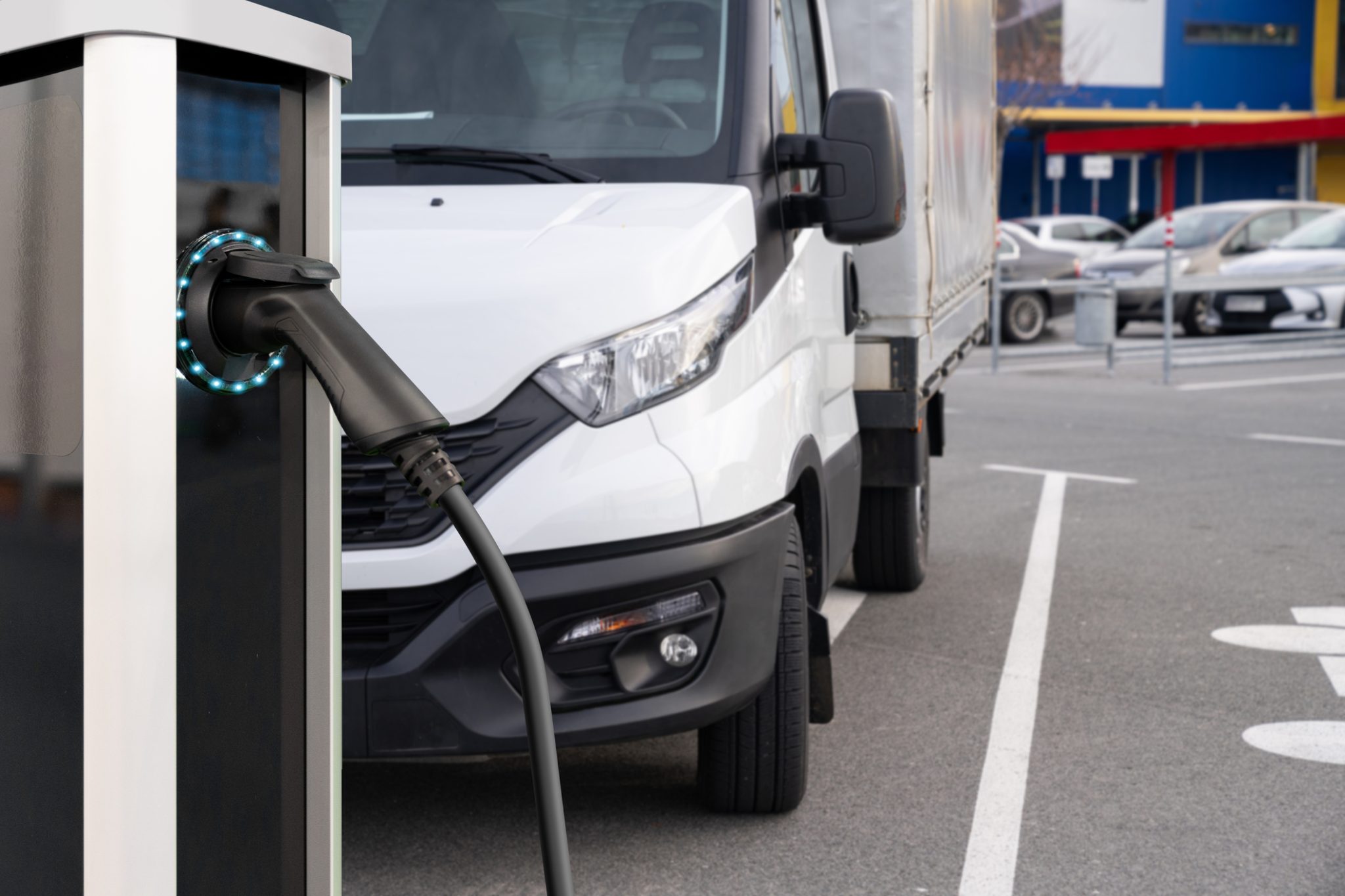
Outside the building, EV readiness electrification has become one of the most visible trends. Parking lots, loading docks, and fleet depots are being retrofitted with charging infrastructure to meet growing driver demand and, in some markets, local requirements.
Is EV Readiness Worth the Investment for Your Business?
For many commercial property owners, yes. EV charger installations attract tenants, customers, and employees who already drive electric vehicles, and that number continues to grow every year.
Common commercial EV charging options include:
- Level 2 chargers for workplace lots and multifamily housing
- DC fast chargers for retail and high-traffic locations
- Smart chargers with scheduling and billing features built in
- Networked charging hubs for fleet depots and larger deployments
Choosing the right option depends on your property type, expected charging volume, and how much you want to scale over time.
What Role Does Battery Storage Play in Modern Electrification?
Battery storage systems store energy for use during peak demand periods or power outages, which helps commercial properties manage costs and stay operational when the grid is under strain. Pairing battery storage with EV charging or solar generation lets a building draw on stored power instead of pulling everything from the grid at once.
This combination is especially valuable for properties with high demand charges, since shifting usage away from peak hours can noticeably reduce monthly utility bills.
Energy-Efficient Electrification: How Modern Retrofits Cut Costs
Modern electrical retrofits aren’t just about swapping equipment. They’re about designing a system that works together, from the panel to the charger to the storage unit, so energy isn’t wasted along the way.
According to Facilities Dive, facilities teams are increasingly combining electrification upgrades with renewable generation and microgrid technology to improve both efficiency and resilience. That trend applies just as much to a mid-size commercial building as it does to a large industrial campus.
Steps to Plan a Modern Electrical Retrofit
- Start with a load assessment to understand your building’s current and future power needs.
- Prioritize panel and infrastructure upgrades before adding new electric equipment.
- Phase in EV charging and battery storage based on budget and usage patterns.
- Work with a licensed electrician who can design for future growth, not just today’s needs.
Frequently Asked Questions
How much does commercial electrification typically cost?
Costs vary widely depending on the property’s size, the age of the existing electrical system, and how many upgrades are bundled into one project. A single EV charger installation costs far less than a full building retrofit that includes panel upgrades and battery storage. Many property owners phase their electrification plans over several years to spread out the investment. A licensed electrician can walk through your specific building and provide a realistic estimate based on your goals.
Do I need a permit for an EV charger or battery storage installation?
In most cases, yes. Commercial EV chargers and battery storage systems typically require permitting and inspection to meet local code requirements. Working with a licensed, experienced electrical contractor helps ensure the paperwork and inspections are handled correctly the first time. Skipping this step can lead to delays, fines, or having to redo the work later.
How long does a commercial electrification retrofit take?
Timelines depend on the scope of the project, but most retrofits fall somewhere between a few days for a single EV charger and several weeks for a full building upgrade. Panel upgrades and permitting tend to take the longest, especially on older properties. Your contractor should walk you through a realistic timeline before work begins so your operations aren’t disrupted unexpectedly.
Powering What Comes Next for Your Building
Commercial electrification isn’t a single project. It’s an ongoing shift toward buildings that use energy more efficiently, support EV drivers, and stay resilient during outages. Whether you’re starting with a smart panel or planning a full retrofit, the right approach depends on your property’s specific needs.
Ready to Electrify Your Space?
Colwell Electric has helped Houston property owners plan and install electrification upgrades for over 30 years. Contact us today or call us at (713) 849-4427 to schedule a consultation and find out where your building stands.