

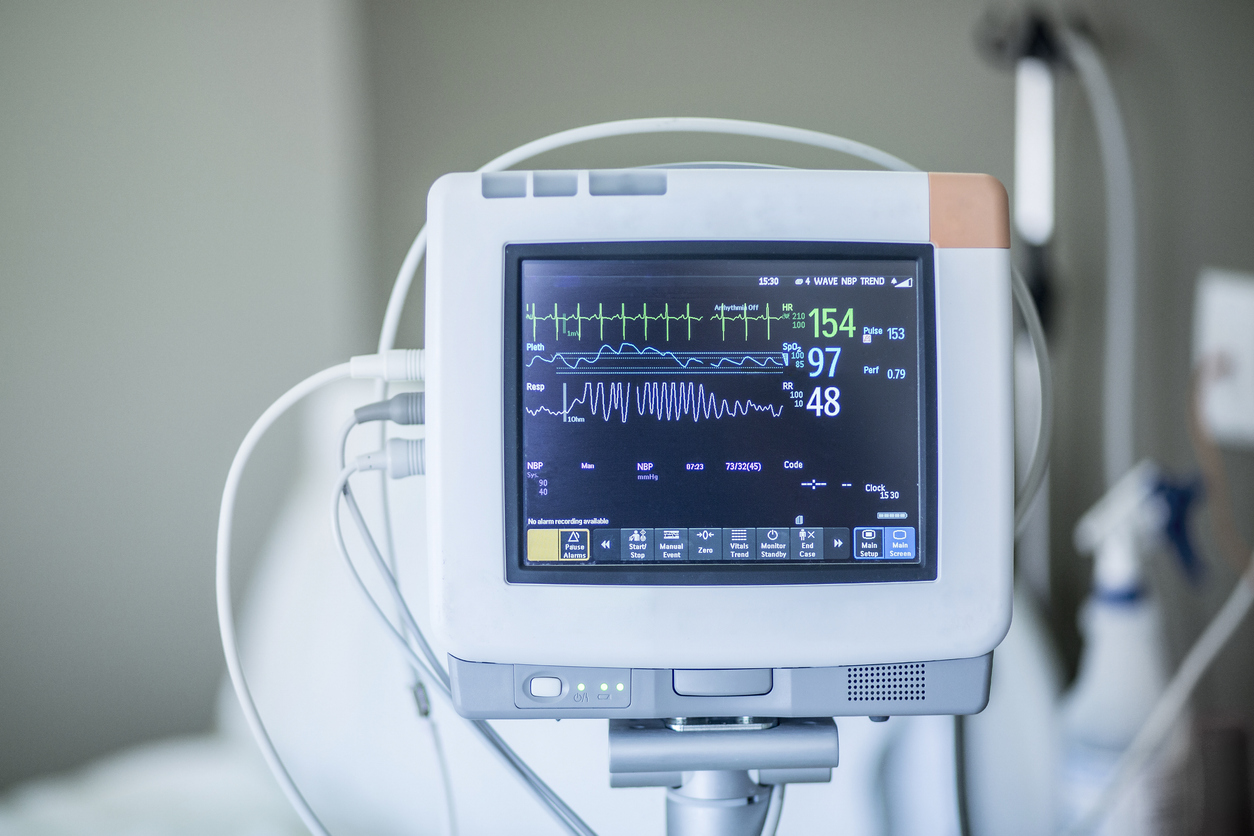
A single power interruption in a hospital can shut down ventilators, surgical suites, and life-saving equipment within seconds. That is why medical facility electrical work is held to a far higher standard than a typical commercial building. Hospitals cannot afford flickering lights or delayed backup power, and neither can the patients depending on that equipment.
This blog covers what makes hospital electrical systems different, the codes that govern them, and why facilities rely on electricians with hands-on medical experience.
Specialized Medical Facility Electrical Services Explained
- Hospitals require electrical systems built for zero downtime, not just code compliance.
- Critical power systems, including generators and transfer switches, must activate within seconds of an outage.
- NFPA 99 and related medical electrical codes set strict requirements for patient care areas.
- Routine testing and preventive maintenance catch problems before they affect patient safety.
- Electricians working in hospitals need documented experience with healthcare-specific code requirements.
What Makes Hospital Electrical Systems Different From Standard Commercial Wiring?
Hospitals operate nonstop, and many patient care areas cannot tolerate even a momentary loss of power. Operating rooms, ICUs, and imaging suites depend on electrical systems designed with redundancy built in from the start.
Standard commercial wiring accounts for convenience and cost. Hospital wiring standards account for patient survival. That difference shapes everything from panel design to how outlets are grounded in a procedure room.
Why Does Critical Power Reliability Matter in Medical Facilities?
Critical power systems are the backbone of hospital operations. These systems include emergency generators, automatic transfer switches, and dedicated circuits that keep essential equipment running during an outage.
What Happens When Hospital Power Fails?
Even a short outage can disrupt surgeries in progress, shut down monitoring equipment, and put ventilated patients at risk. According to the Centers for Disease Control and Prevention, healthcare facilities are expected to maintain emergency power plans as part of broader emergency preparedness standards.
How Backup and Redundant Systems Keep Care Uninterrupted
Hospitals typically layer several safeguards together:
- Emergency generators that activate within 10 seconds of an outage
- Automatic transfer switches that route power without manual intervention
- Battery backup systems for equipment that cannot tolerate any gap in power
- Routine load testing to confirm generators perform under real conditions
These systems only work reliably when they are installed and tested by electricians familiar with hospital-grade equipment.
Why Licensed Experience With Medical Electrical Codes Matters
Medical electrical codes go well beyond the standard National Electrical Code. Hospitals must also follow NFPA 99, which governs everything from isolated power systems to how outlets are labeled in patient care spaces.
Not every licensed electrician has worked inside a hospital environment. Facilities benefit from electricians who understand:
- How isolated power systems reduce shock hazards in patient care areas
- Documentation requirements for inspections and testing
- Coordination with facility staff to avoid disrupting active patient care during work
How Do Specialized Electricians Support Hospital Electrical Safety?
Hospital electrical safety depends on ongoing attention, not a one-time installation. Facilities need electricians who treat inspections and maintenance as part of a continuous safety plan.
Isolated Power Systems and Patient Care Areas
Isolated power systems reduce the risk of electric shock in areas where patients may be more vulnerable, such as operating rooms and cardiac care units. These systems require specific grounding and monitoring equipment that differs from standard commercial setups.
Routine Testing and Preventive Maintenance
Regular testing helps facilities catch small issues, like a failing transfer switch or a degraded battery backup, before they become emergencies. A preventive maintenance schedule typically includes:
- Monthly generator load testing
- Annual inspection of isolated power systems
- Ongoing review of circuit labeling and documentation
- Testing of emergency lighting and exit systems
Frequently Asked Questions About Medical Facility Electrical Work
How often should hospital electrical systems be inspected?
Most hospital electrical systems require monthly generator testing and at least an annual inspection of critical power and isolated power systems. Some equipment may need more frequent checks depending on how it’s used. Facilities should follow both NFPA 99 guidelines and manufacturer recommendations for specific equipment.
What is critical power in a hospital?
Critical power refers to the backup electrical systems, including generators and transfer switches, that keep essential equipment running during an outage. These systems are designed to activate automatically within seconds so patient care is not interrupted. Maintaining critical power is key to keeping patients safe, and requires a licensed electrician experienced in medical facility electrical work.
Can standard electricians work on hospital electrical systems?
Licensed electricians can work on hospital systems, but hospital environments call for additional knowledge of codes like NFPA 99 and experience with isolated power systems. Facilities should ask about an electrician’s hospital-specific project history before hiring. The electricians at Colwell Electric have experience with and knowledge of medical facility electrical work.
Keeping Patient Care Powered Without Interruption
Hospitals cannot treat electrical work as an afterthought, since every system ties back to patient safety. Understanding hospital wiring standards, critical power systems, and medical electrical codes helps facility managers make informed decisions about who they trust with this work.
Maintain Your Medical Facility’s Electrical System With Us
If your Greater Houston medical facility needs an electrical partner familiar with hospital-grade systems, Colwell Electric is ready to help. Contact us online or call 713-849-4427 to schedule a consultation.