

A quick power flicker might not seem like a big deal, but behind that moment, your electronics can take a hit. Televisions, appliances, routers—these devices all face hidden risks during everyday voltage spikes. The damage may not show up right away, but over time, it adds up. You might notice shorter lifespans, random malfunctions, or complete failure without warning.
That’s where a whole-home surge protector makes a difference. This system connects directly to your electrical panel to intercept surges before they reach outlets or devices. It keeps your wiring, appliances, and electronics protected across the entire home.
In this guide, we’ll cover where power surges come from, how these systems work, and when it makes sense to install one.
What This Blog Covers
- What Causes Power Surges: We’ll explain where spikes come from and why your system needs layered protection.
- How a Whole-Home Surge Protector Works: Get a breakdown of how this system intercepts dangerous voltage before it spreads.
- Why Whole-Home Surge Protection Is Worth It: Learn how it protects your electronics and saves on long-term repair costs.
- Why Hire a Residential Electrician: We’ll explain why expert installation leads to safety, coverage, and compliance.
What Causes Power Surges
Power surges can happen at any time, and the source isn’t always obvious. Many come from inside the home. When large appliances start up or when wiring begins to wear down, voltage can spike suddenly. Even minor changes in your home’s electrical flow can stress the system if they happen often enough.
Surges can also start outside. Lightning strikes, power grid maintenance, or nearby transformer issues can all send a sudden jolt through your electrical lines. These events happen without warning and can reach every device in your home within seconds.
We’ll take a closer look at both types of events, starting with internal causes, then moving into external sources that are harder to predict.
Common Internal Sources
Surges that originate within the home typically stem from devices that draw significant power or from wiring issues. These internal events happen more often than people realize. They may not be as dramatic as lightning strikes, but they still cause damage over time.
Below are three of the most common sources you’ll want to watch for.
Appliance Cycles & Motor Loads
Large appliances like refrigerators, air conditioners, and washing machines use more energy during startup. When they power on, they briefly disrupt the home’s voltage balance. These small surges may not trip a breaker, but they still wear down sensitive electronics over time.
Faulty Wiring or Breaker Issues
Outdated or damaged wiring can create irregular voltage conditions inside the home. Loose connections, aging panels, or overloaded breakers may allow unstable current to flow through outlets. This can lead to frequent, unnoticed spikes that damage connected devices.
Overloaded Circuits
Too many high-demand appliances on a single circuit can cause short bursts of excess power. These micro-surges put stress on devices even if no breaker trips. Overloaded circuits are especially common in older homes that weren’t designed for today’s electronics.
External Surge Events
Surges that start outside the home usually enter through the main electrical service. These events are more powerful and less predictable than internal ones. While they may not happen as often, the damage can be immediate and expensive.
Below are a few of the most common external causes.
Lightning Strikes Near the Home
Lightning doesn’t have to strike the house directly to cause a surge. A nearby hit can travel through utility lines and push a massive voltage spike into your system. This type of surge often destroys electronics on contact.
Utility Grid Switching
When utility companies perform maintenance or re-route power, it can cause sudden fluctuations in voltage. These brief changes can send a spike into homes without warning, especially if equipment isn’t grounded or protected.
Transformer Failures or Malfunctions
If a nearby transformer is damaged or overloaded, the result may be a sharp surge in the connected service line. This spike reaches your panel first and moves through your home’s wiring in a split second.
How a Whole-Home Surge Protector Works
A whole-home surge protector is wired directly to your main electrical panel. It sits at the point where power first enters your system. This location allows it to monitor and respond to any incoming voltage irregularities before they move through your home.
When a surge occurs, the protector detects the excess voltage and redirects it safely away from your circuits. This prevents harmful spikes from reaching outlets, appliances, and sensitive electronics. The system works in real time and helps stop both small disruptions and large surge events before they cause damage.
Panel-Based Protection
Panel-mounted surge protection is your first layer of defense. It handles surges that enter through the main service line, catching spikes before they reach individual circuits. This type of protection is designed to shield your entire electrical system in one location.
In the next few sections, we’ll look at how panel-based units are installed, what they monitor, and why they function without needing manual resets or frequent maintenance.
Installed at the Main Service Panel
The protector connects to your home’s main electrical panel, which is where power first enters the structure. Placing the device here makes sure it can react to any external surge before that energy spreads through wiring or outlets.
Monitors Incoming Voltage
Once installed, the device constantly checks voltage levels coming into the panel. It senses abnormal spikes and diverts that excess energy to ground. This response protects all downstream circuits at once.
Works Automatically Without Resetting
The unit resets itself after each event and continues to protect without user input. Unlike a circuit breaker, it doesn’t trip or need to be manually turned back on. It stays ready at all times.
Device-Level Coordination
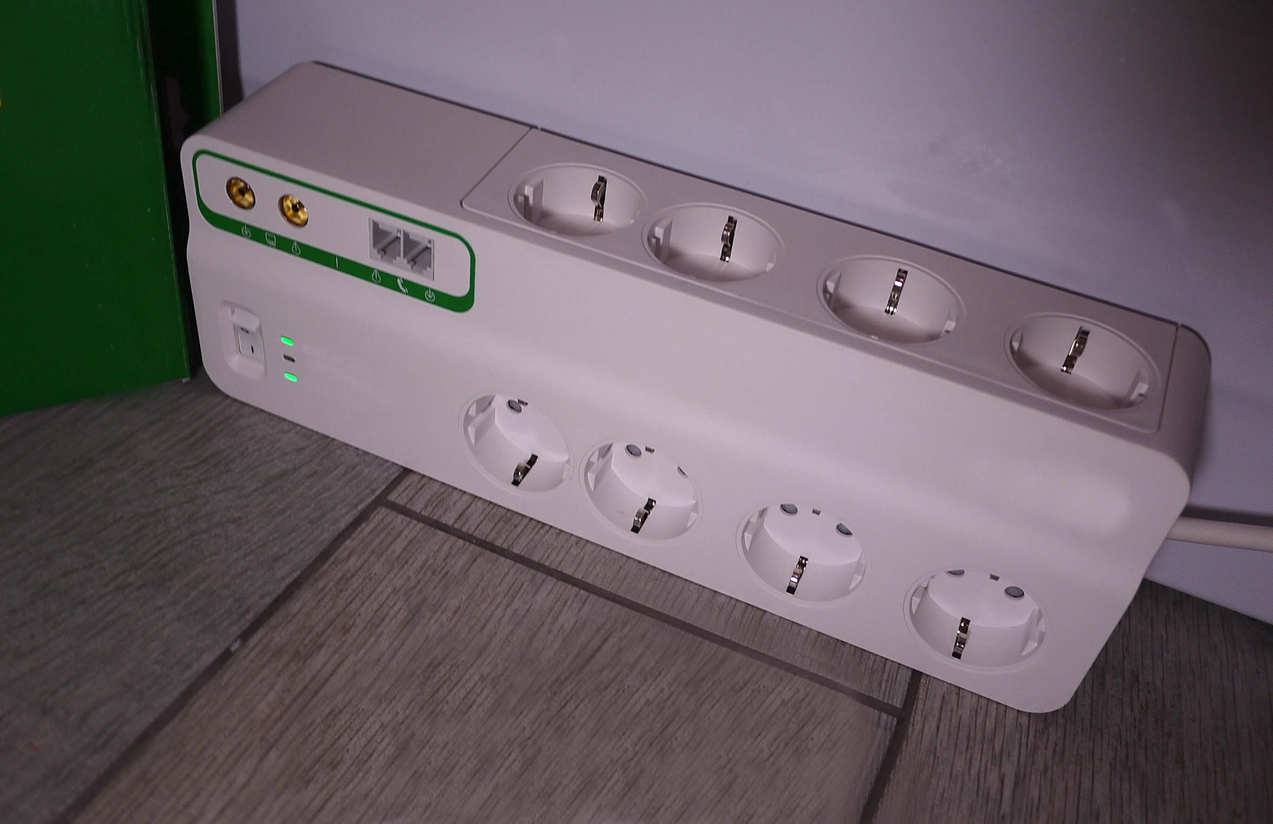
While the panel-based unit protects the entire system, certain high-risk electronics still benefit from extra layers of protection. That’s where device-level solutions come in. Plug-in units help absorb smaller surges that may still occur inside the home.
This type of coordination offers added safety for rooms filled with sensitive devices. It creates a layered system that defends at both the entry point and the outlet.
Plug-In Units Add Extra Protection
Televisions, computers, routers, and game consoles often include fragile internal components. Surge strips placed at these devices can prevent minor damage caused by interior voltage shifts.
Ideal for High-Risk Zones
Rooms that include entertainment systems, home offices, or multiple smart devices carry higher exposure to low-level surges. Plug-in protection adds local control to areas that house valuable electronics.
Complements, Not Replaces, Whole-Home Coverage
A full surge protection system starts at the panel. Plug-in units add support, but they cannot provide system-wide defense. Using both ensures better coverage across all device types.
Why Whole-Home Surge Protection Is Worth It
A whole-home surge protector helps preserve the life of appliances and electronics by blocking the small voltage spikes that wear them down over time. Even brief surges that don’t trip a breaker can slowly degrade performance or cause early failure.
These systems reduce how often you replace expensive devices or call for repairs. When you prevent the damage before it starts, you avoid unexpected costs and the hassle of dealing with burned-out equipment.
Protecting Appliances & Electronics
Today’s homes rely on electronics more than ever. High-use items, smart systems, and sensitive gear can all be affected by fluctuations in voltage. Surge protection creates a buffer between those spikes and your most expensive tools.
The examples below show how protection works across different device types and why certain areas need special attention.
HVAC Systems & Refrigerators
These appliances cycle on and off often and draw high amounts of power. That activity can make them both a source of internal surges and a target for external ones. Repairs are costly, and replacements can run into the thousands.
Computers, TVs & Gaming Consoles
Smaller electronics are especially sensitive to electrical disruptions. Even minor surges may cause data loss, screen flickering, or internal failure that builds up over time.
Smart Home Devices
Home automation relies on steady voltage. Thermostats, lighting systems, and security controls can suffer damage when voltage spikes pass through unprotected circuits, often without warning.
Reducing Repair & Replacement Costs
Every surge you block is one less device you need to fix. Whether the issue happens once or over time, preventing it helps reduce the frequency of electrical breakdowns and extends the service life of your appliances.
There’s also a financial side to consider. Long-term savings come not just from fewer purchases, but from lower maintenance and potential insurance benefits.
Fewer Service Calls and Device Failures
Avoiding frequent technician visits saves time and money. Surge protection helps keep your system running more consistently by reducing failures caused by irregular power. This improves reliability across your entire setup.
Increased Lifespan of Major Appliances
Even small surges create stress that adds up over time. Protecting these systems allows them to operate under normal conditions longer, which means fewer replacements. It also helps preserve manufacturer warranties that depend on stable voltage.
Added Home Insurance Benefits
Some home insurance providers offer credits or better rates for homes with surge protection installed. A system like this reduces risk, which can translate into lower premiums or expanded coverage. It can also strengthen your claim position if damage ever does occur.
Why Hire a Residential Electrician for Whole-Home Surge Protection
Installing a surge protector at the panel requires more than plugging in a strip. One mistake can leave parts of your system exposed or, worse, create a hazard at the breaker. A licensed electrician knows how to wire the device safely, position it correctly, and make sure it works with your existing setup.
Professional installation helps meet local code, avoids coverage gaps, and ensures the protection extends across your home’s entire electrical system. For something this important, DIY isn’t worth the risk.
Colwell Electric: For Trusted Surge Protection Installation
At Colwell Electric, we install panel-mounted surge protection that safeguards your entire home. Our team handles the wiring, confirms the placement, and tests the system for proper response. If you’ve added electronics, upgraded appliances, or recently experienced a surge, now’s the time to install protection that lasts.
Contact us today for expert service you can count on.